
Understanding the psychology behind gambling behavior What drives the thrill
The Allure of Risk and Reward
The thrill of gambling is deeply intertwined with the concepts of risk and reward. For many individuals, placing a bet taps into the basic human instinct for risk-taking. The potential for a significant payout creates a unique rush that can be intoxicating, especially when considering the best casino not on gamstop. This dynamic is further amplified by the unpredictability of outcomes, making each gamble feel like a new adventure.
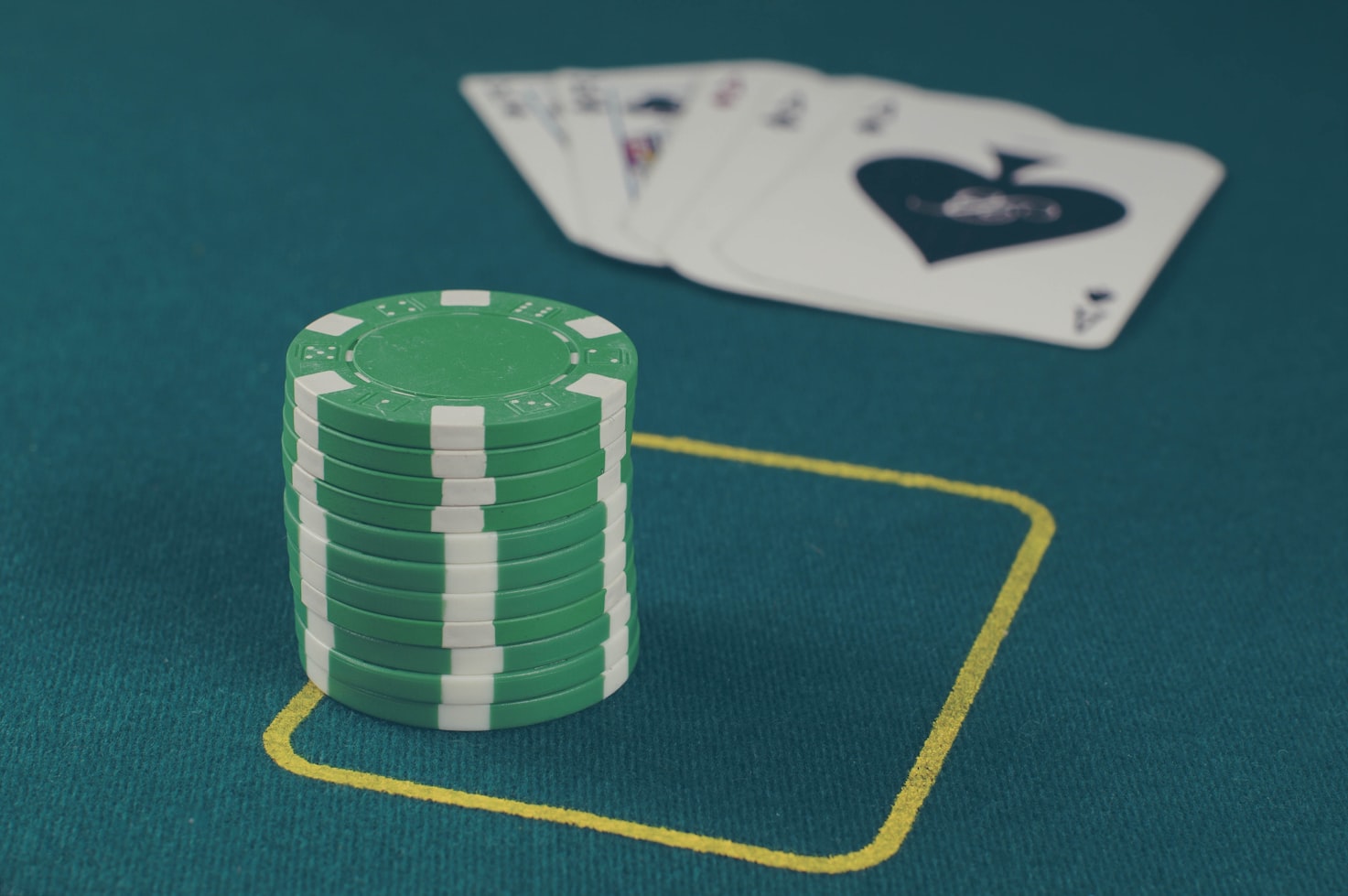
Moreover, the anticipation leading up to the result heightens emotions. Players often experience a blend of excitement and anxiety, a phenomenon known as “near-miss” outcomes where participants come close to winning. This psychological trick can encourage further play, as individuals may believe that they are on the brink of a victory, driving them back to the tables or machines.
The Role of Cognitive Biases
Cognitive biases significantly shape gambling behavior. One of the most prominent is the “gamblers’ fallacy,” where individuals believe that past outcomes influence future results. For instance, a player may think that a slot machine is due for a win after a series of losses. This misguided reasoning keeps players engaged, feeding their belief that they can predict or control outcomes in an inherently random game.
Additionally, the illusion of control plays a crucial role. Many gamblers feel they can influence the game’s outcome through their decisions or strategies. This false sense of empowerment can lead to prolonged gambling sessions, as individuals are convinced that their actions directly affect their chances of winning.
The Emotional Experience of Gambling
The emotional rollercoaster of gambling is another essential aspect to consider. Winning can generate feelings of euphoria and accomplishment, while losing can lead to disappointment and frustration. These intense emotional highs and lows keep players returning for more, as they crave the positive feelings associated with wins.
Furthermore, gambling often serves as a coping mechanism for stress or boredom. Individuals may turn to gambling to escape their daily lives, seeking solace in the adrenaline rush and the potential for financial gain. This psychological aspect highlights the complexity of gambling behavior, where the emotional experience can sometimes outweigh the rational understanding of risks.
The Social Aspect of Gambling
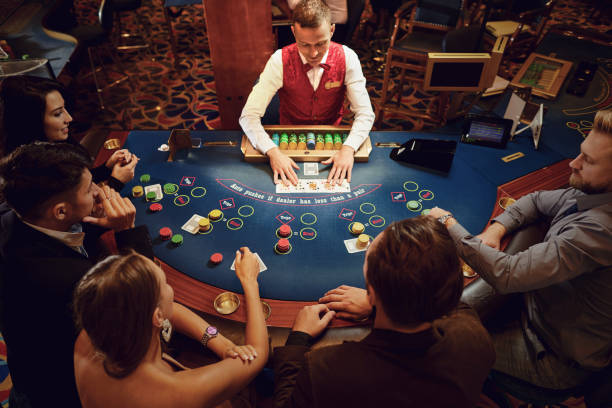
Gambling is not merely an individual pursuit; it often takes place in social settings, enhancing the experience. The camaraderie developed in casinos or betting establishments creates a sense of community, which can be addictive in itself. Sharing stories of wins and losses fosters a social bond that can further entice individuals to gamble.
Moreover, social influences, such as peer pressure or cultural acceptance of gambling, can also drive behavior. In environments where gambling is normalized, individuals may feel encouraged to participate, believing it to be an enjoyable and socially acceptable form of entertainment. This social reinforcement can significantly impact an individual’s gambling habits.
Enhancing Your Understanding of Gambling Behavior
Understanding the psychological aspects of gambling is crucial for both players and those who care about them. By recognizing the various factors that drive gambling behavior, individuals can make more informed decisions about their participation. Knowledge of cognitive biases and emotional triggers can empower players to approach gambling more responsibly.
This website offers a wealth of information and resources to help individuals navigate their gambling experiences. By promoting awareness and education about gambling psychology, it aims to foster a healthier understanding of this complex activity, ensuring that players can enjoy the thrill without falling into unhealthy patterns.